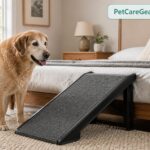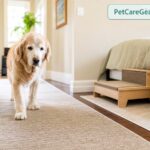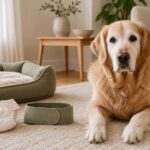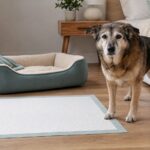
A practical home monitoring area is a normal living space that is easy to see, easy to reach, and easy to check. It does not need to become a medical setup. The goal is to keep a familiar bed, water, doorway, cleanup supplies, and clear route visible without creating cable hazards, blocked access, or an uncomfortable new routine for the dog.
Start With the Daily Route
Watch the path an older dog uses most often: resting area to water, water to doorway, and doorway to the usual household activity. Choose a room or corner where these routes are clear. If a route needs separation from another area, use the published dog gates guide to think through placement without treating a gate as medical equipment.
Choose a Camera View Before Buying Gear
Stand where the camera would sit and look at the room from that height. Can you see the bed, water, door, and most-used route? Check for blind spots behind furniture, lamps, baskets, and open doors. A single useful view is often better than several confusing angles.
Keep Power and Cables Out of the Route
Use the safest practical outlet location and keep cords away from walking paths. Do not run a cable under a loose rug, across a doorway, or where the dog can chew it. Recheck the setup after moving furniture or changing the bed location.
Plan Light for Day and Evening
Test the camera in the room’s normal morning, afternoon, and evening conditions. Window glare can hide part of the room during the day, while a dark corner can make a bed hard to see at night. Use ordinary room lighting that works for the household rather than relying on a camera to compensate for an unsuitable space.
Make the Resting Area Easy to See and Maintain
Keep the bed flat and visible, with enough space around it for normal movement and cleaning. A washable dog bed or waterproof dog bed may fit some household routines, but choose by the dog and room rather than the camera view alone. Keep supplies nearby only if they do not narrow the route.
Include Cleanup Without Turning the Area Into Storage
Place a small, reachable cleanup kit outside the main walking path. If accidents are part of the household routine, the floor and furniture protection guide and dog diaper guide can help organize published options. Do not crowd the resting area with bins, pads, or large containers that change how the dog moves through the space.
Use a Simple Check Routine
Decide what you will check and how often. Examples include confirming that the room remains accessible, the usual resting area is visible, and the camera connection is working. Avoid interpreting a still image or alert as a diagnosis. If something looks concerning, use direct observation and appropriate veterinary guidance.
Privacy and Household Agreement
Point the camera only at the area that needs an ordinary check. Tell household members who can access the feed, secure the account, and review permissions periodically. A clear privacy rule makes a camera more useful and less intrusive.
Check the Area From the Dog’s Height
After arranging the room, sit or crouch near the bed and look toward the doorway, water, and furniture edges. This simple check can reveal a bin, cord, sharp corner, or narrow passage that is less obvious from standing height. Keep changes modest so the room remains familiar rather than becoming a new obstacle course.
Recheck after adding a washable layer, moving a lamp, or changing the position of a gate. The best setup is not the one with the most equipment. It is the one that keeps the routine simple and leaves the important areas easy to reach and easy to see.
Use the Camera as a Setup Check, Not a Constant Stream
A camera can help verify that the room view still makes sense after a furniture move or a cleaning day. It can also show whether the familiar bed and main route remain visible. Decide in advance when the feed is useful to check, such as after changing the layout or before leaving home for several hours.
Do not let alerts replace direct contact with the dog. When something seems unusual, check in personally when possible and seek veterinary guidance for changes that are new, severe, or concerning. A calm, repeatable routine is more useful than reacting to every notification.
Frequently Asked Questions
Should I set up a camera in every room?
Usually no. Start with the one area that shows the normal resting space and daily route clearly, then add coverage only if a real blind spot remains.
Can a home monitoring area replace checking on my dog?
No. A camera can complement routine care, but it cannot replace direct care or professional advice.
What should be visible in the camera view?
A familiar bed, water area, doorway, and main route are useful starting points. Avoid placing the camera where it captures more private household space than necessary.
Related Senior Dog Guides
- Senior Dog Mobility Checklist
- Best Dog Gates for Older Dogs
- Best Washable Dog Beds for Senior Dogs
- Best Waterproof Dog Beds for Older Dogs
- How to Protect Floors and Furniture from Senior Dog Accidents
- How to Groom a Senior Dog Safely at Home
Final Thoughts
A good home monitoring area is simple: clear routes, safe cables, a visible resting area, ordinary lighting, and a realistic daily routine. Keep it familiar for the dog, protect household privacy, and use direct care whenever something needs closer attention.