Grooming an older dog at home is less about finishing a perfect checklist and more about adapting each task to the dog in front of you. A senior dog may tire sooner, dislike standing, have tender areas, or need more time to accept handling. Prepare the space first, work in short sections, and stop before the session becomes a struggle.
Start With What Your Dog Can Tolerate Today
Watch how your dog rises, turns, lies down, and responds to touch before bringing out tools. A routine that worked last year may now be too long. Choose one small goal, such as brushing one side or cleaning two paws, and leave the rest for another session.
New pain, flinching, lumps, skin changes, odor, or difficulty standing should not be pushed through. Record what you notice and discuss it with your veterinarian or groomer.
Build a Stable Grooming Station
Use a quiet, well-lit area with a flat surface. A low non-slip rug for an older dog can provide more dependable footing than a loose towel. Keep cords, water bowls, and spare tools outside the walking line. Place everything within reach so you do not leave the dog unattended.
Prepare a Short-Session Kit
Set out a soft brush suited to the coat, clean towels, pet-specific wipes if needed, a bowl of lukewarm water, and the one nail tool you plan to use. Keep styptic powder available for nail care and store scissors away from skin-level mats. The goal is fewer position changes, not more equipment.
Do a Head-to-Paw Check
Part the coat gently and look for redness, damp folds, sores, parasites, discharge, swelling, broken nails, or debris between toes. Feel for mats without pulling them. Do not diagnose a lump or skin problem from appearance alone; note the location and ask a veterinarian when it is new or changing.
Brush in Small Sections
Support the coat near the skin and use short strokes from an area the dog already accepts. Avoid dragging a tool through a tight mat. If brushing pulls the skin, stop. Severe or skin-level matting is safer in professional hands because folded skin can be hidden beneath it.
Clean Paws and Small Messes
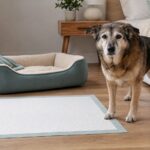
For ordinary dirt, a damp cloth or pet-specific wipe may be enough. Work around the pads and between toes without forcing the leg high. Dry every paw, especially between the toes. The washable pee-pad guide can help create a flat cleanup surface near a bed or doorway.
Make Bathing Optional, Not Automatic
A full bath may be tiring and is not required for every small mess. If a bath is needed, use comfortably warm water, a stable mat, and a short route in and out. Support the dog without twisting the back or lifting by the legs. Rinse completely and dry the coat and skin folds before the dog rests.
Approach Nail Care Gradually
Handle one toe, introduce the tool sound, and trim or grind only when the dog remains comfortable. Remove a tiny amount and reassess. Do not use a light or guard as proof that the quick is safe. A stable position and the dog’s willingness matter more than completing every nail.
Know the Stop Signs
Stop for trembling that increases, repeated escape attempts, growling, snapping, heavy panting, collapse, pain, bleeding, open skin, breathing difficulty, or an inability to stand safely. Do not punish a warning signal. A professional can split the work across shorter appointments or use a safer setup.
Choose the Right Professional Handoff
A groomer can manage coat maintenance, mat removal, and routine nails when the dog can tolerate the process. A veterinarian should assess pain, sedation questions, infection, wounds, sudden behavior change, or medical instability. If lifting and transfers are difficult, review the senior dog lifting-harness guide for general support options without using a harness as restraint.
A Simple Weekly Routine
- Check coat, skin, ears, paws, and nails in good light.
- Choose one or two short tasks.
- Use a stable surface and the dog’s comfortable position.
- Clean and dry tools after use.
- Write down new pain, skin, balance, or behavior changes.
Frequently Asked Questions
How long should a grooming session be for an older dog?
There is no universal duration. End while the dog is still comfortable, even if that means a few minutes or one body area at a time.
Can I groom a senior dog while the dog lies down?
Often, yes. Work only on accessible areas, avoid twisting the limbs or spine, and let the dog change position. Standing is not required for every task.
When should I stop home grooming?
Stop when positioning is unsafe, the dog shows pain or escalating fear, skin is open or infected-looking, matting is tight to the skin, or a nail problem is beyond routine maintenance.
Related Senior Dog Guides
- Senior Dog Mobility Checklist
- Best Non-Slip Rugs for Older Dogs
- Best Lifting Harnesses for Senior Dogs
- Best Washable Dog Beds for Senior Dogs
- Best Dog Diapers for Senior Dogs
- Best Washable Pee Pads for Senior Dogs
- Best Nail Grinders for Senior Dogs
- Best Dog Grooming Wipes for Senior Dogs
Final Thoughts
A safer grooming routine is flexible. Prepare a stable space, choose one small task, watch the dog’s body language, and hand off work that causes pain, fear, or unsafe positioning. Consistent short sessions usually serve an older dog better than forcing a complete spa day.