When a dog gets older, the home that once felt easy can start to feel awkward. Beds may be too high, floors may feel slick, and the path to food or water may involve small challenges you barely noticed before. This checklist helps you look at your home from your senior dog’s point of view.
Safety note: This article is for general informational purposes only and is not veterinary advice. If your dog is limping, falling, crying out, suddenly refusing to climb, or showing signs of pain, consider speaking with your veterinarian.
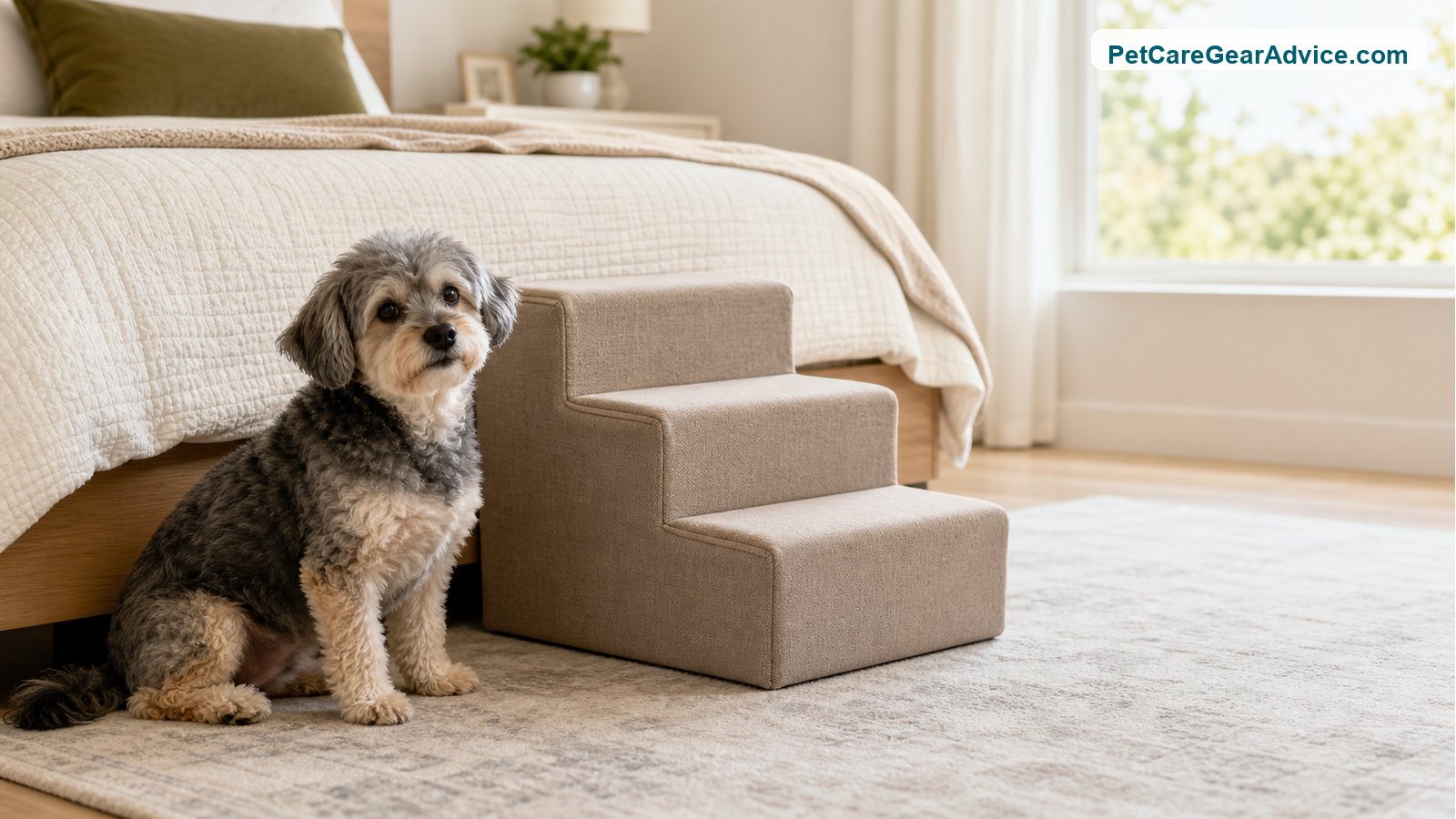
1. Make Bed Access Easier
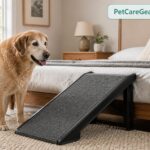
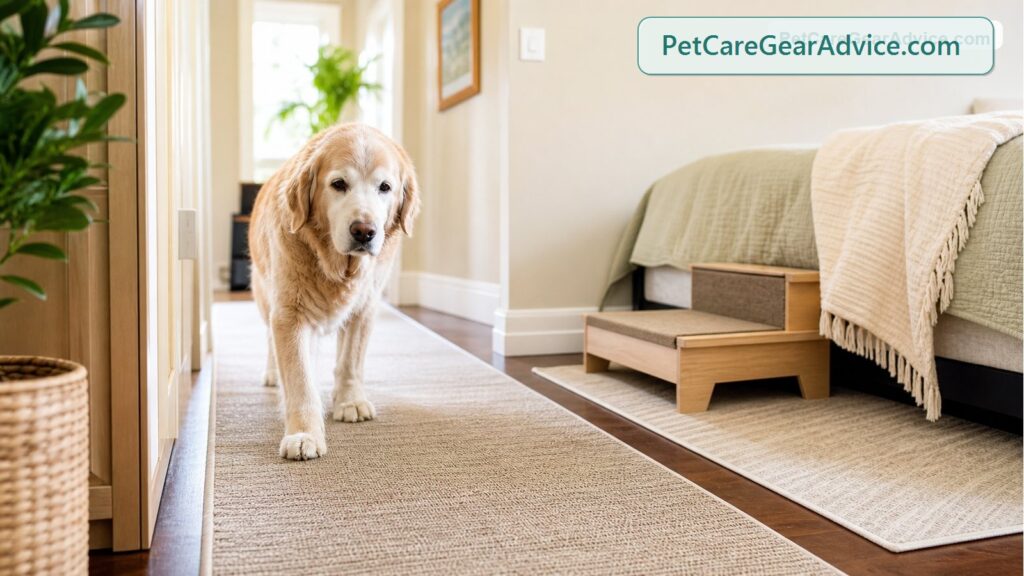
If your dog still wants to sleep near you, reduce the need for big jumps. A ramp, low stairs, or lower bed setup may make access easier. For step-by-step guidance, read How to Help an Old Dog Get on the Bed Safely.
2. Check Couch and Chair Access
Favorite resting spots matter. If your dog jumps on and off the couch many times a day, consider whether a ramp, stairs, or a lower resting bed nearby would be more comfortable.
3. Review Car and SUV Access
Vehicle access can be one of the biggest daily challenges. A longer ramp may create a gentler approach than lifting or jumping, depending on your vehicle height and dog size. See Best Dog Ramps for Senior Dogs for ramp ideas.
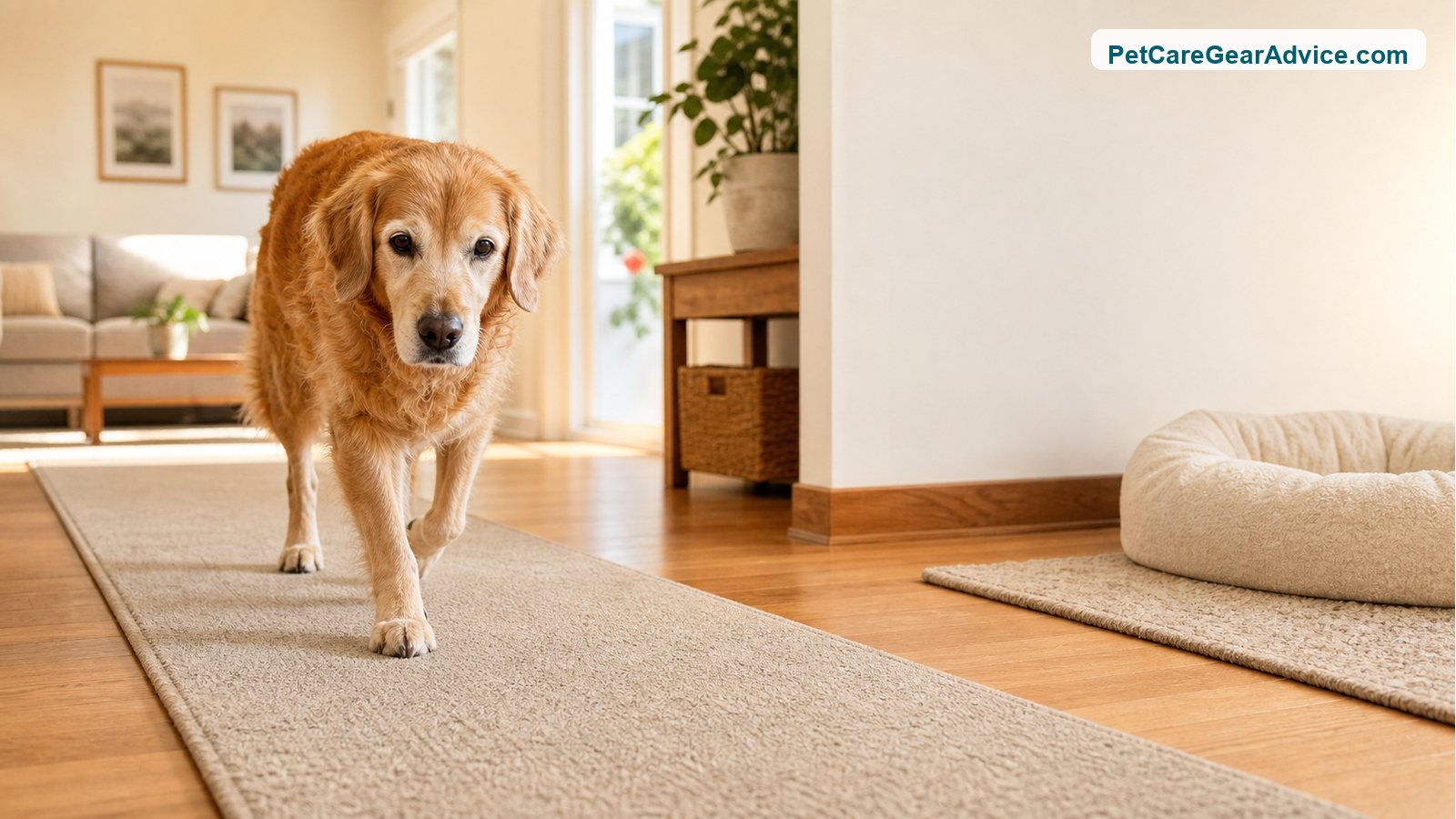
4. Add Traction to Slippery Floors
Hardwood, tile, and laminate can become difficult for older dogs. Add non-slip runners in hallways, bedside areas, and routes to food and water.
5. Create a Clear Nighttime Path
Older dogs may move more slowly at night. Keep walkways clear, avoid loose cords, and consider a soft night light near the bed or hallway.
6. Make Food and Water Areas Stable
Place bowls where your dog can stand comfortably. A non-slip mat can reduce sliding bowls and help keep spilled water from creating a slick spot.
7. Rethink Stairs in the Home
If your dog hesitates on household stairs, add traction where appropriate and supervise carefully. Avoid pushing your dog to climb when they seem unsure.
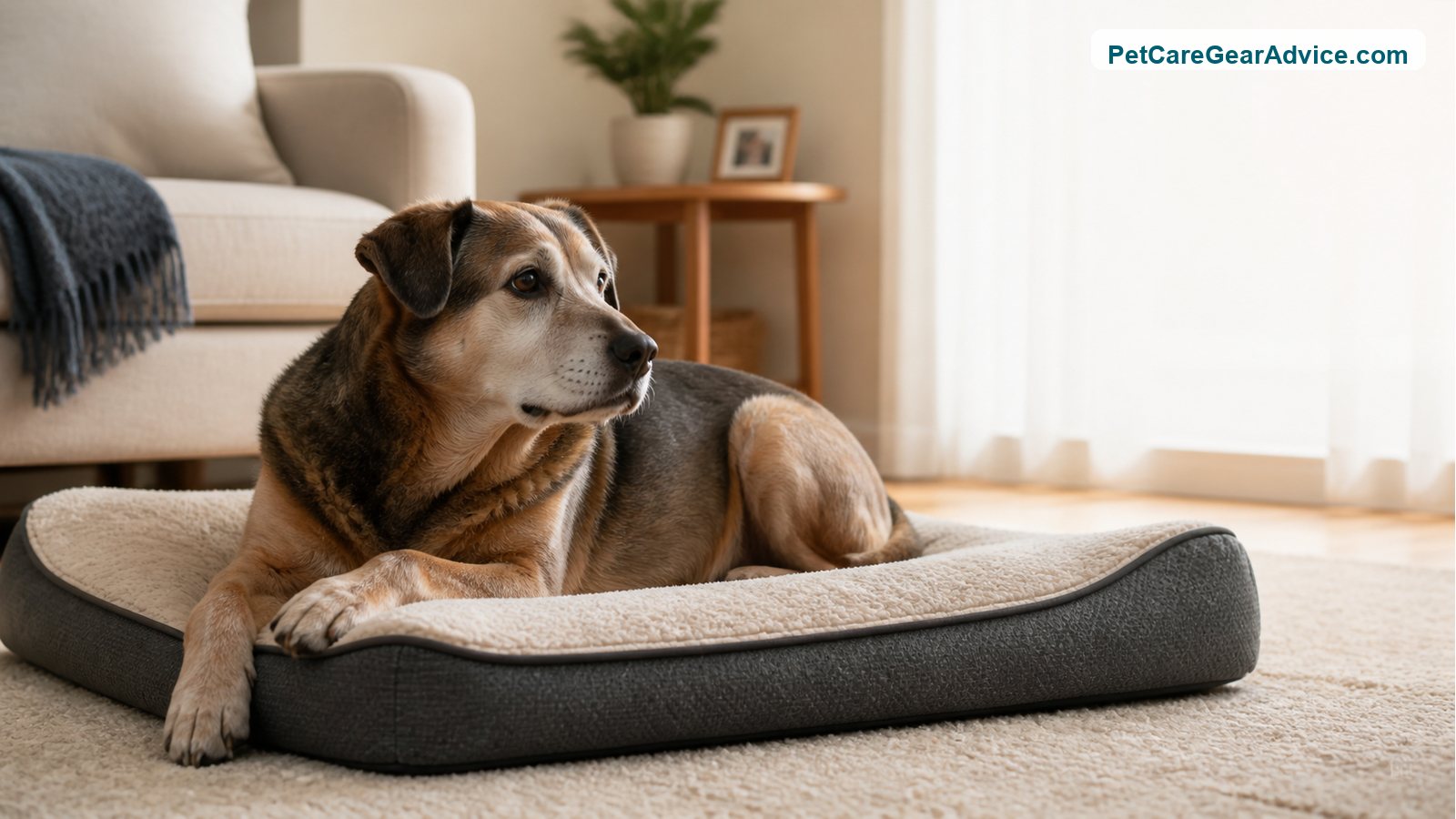
8. Add Resting Areas Where Your Dog Spends Time
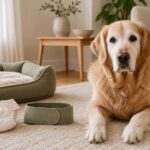
A supportive bed in the living room, bedroom, or office can reduce repeated trips across the home. Place beds where your dog already likes to rest.
Gear That May Help
- Dog ramps for beds, couches, cars, and SUVs
- Low dog stairs for small dogs that still climb comfortably
- Non-slip rugs and hallway runners
- Washable orthopedic-style dog beds
- Feeding mats for water bowl areas
Senior Dog Mobility Checklist
- Bed access is low, stable, and not slippery.
- Couch access does not require repeated jumping.
- Vehicle access has a safe plan.
- Hallways have traction where needed.
- Food and water areas are dry and stable.
- Nighttime walking paths are clear.
- Resting areas are easy to reach.
- New limping, falling, or pain signs are discussed with a veterinarian.
FAQ
What is the first change I should make for a senior dog?
Start with the area where your dog struggles most often. For many dogs, that means bed access, slippery floors, or car access.
Are ramps or stairs better?
It depends on your dog’s size, confidence, and mobility. Compare both in Dog Ramp vs Dog Stairs.
Should I change everything at once?
No. Make one or two changes, watch how your dog responds, and adjust from there.
Related Guides
- Best Waterproof Dog Beds for Older Dogs
- How to Help an Old Dog Get on the Bed Safely
- Dog Ramp vs Dog Stairs
- Best Dog Ramps for Senior Dogs
- Best Dog Stairs for Small Senior Dogs
- Best Non-Slip Rugs for Older Dogs
- Best Orthopedic Dog Beds for Senior Dogs
- easy-clean dog bed
- senior dog mobility support gear
- non-slip stair treads for older dogs
- senior dog home safety gates
- Best Dog Socks for Senior Dogs
Final Thoughts
A senior-dog-friendly home does not need to be complicated. Focus on reducing big jumps, adding traction, clearing pathways, and making rest areas easier to reach.
Senior Dog Cleanup Guides
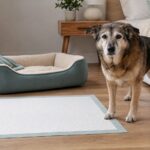
Mobility changes can make it harder for an older dog to reach the door in time. While you discuss sudden or worsening accidents with your veterinarian, our cleanup guides cover dog diapers and male wraps, washable pee pads, and waterproof couch covers.